Implementing high-quality instructional materials requires ongoing professional learning for teachers and leaders. Whether you need support in creating or executing an HQIM-aligned professional learning plan, or in addressing a specific implementation challenge best addressed through professional learning, use these resources to support your next steps with this work.
Impactful professional learning plans are created using three key steps:
1) Pre-Planning
2) Creating a scope and sequence
3) Revisiting
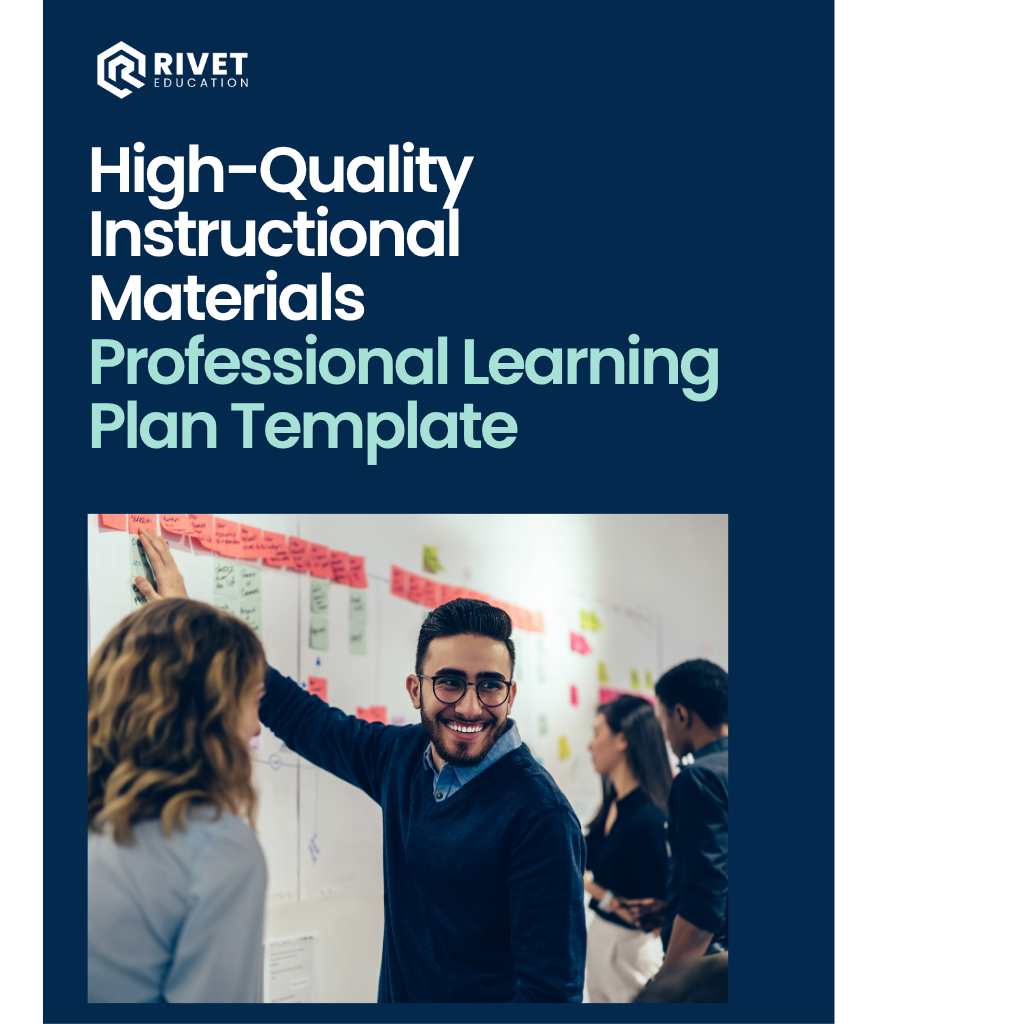
The High-Quality Instructional Materials Professional Learning Template includes guidance and examples for each of these key steps.
Providing teachers and school leaders with the initial and ongoing support they need to implement their high-quality instructional materials (HQIM) skillfully requires a professional learning plan encompassing the components of curriculum-based professional learning.
Professional learning partners can elevate your professional learning offerings, expand capacity, and bring in new expertise at critical times. It’s a big decision. The resources below are designed to help you select the partner that is right for you.
The Professional Learning Partner Guide (PLPG) is a free, easy-to-use tool that helps education leaders find certified professional learning partners with expertise in their curriculum. With just a few clicks, you can search by curriculum, service type, and location to discover partners whose skills align with your needs.
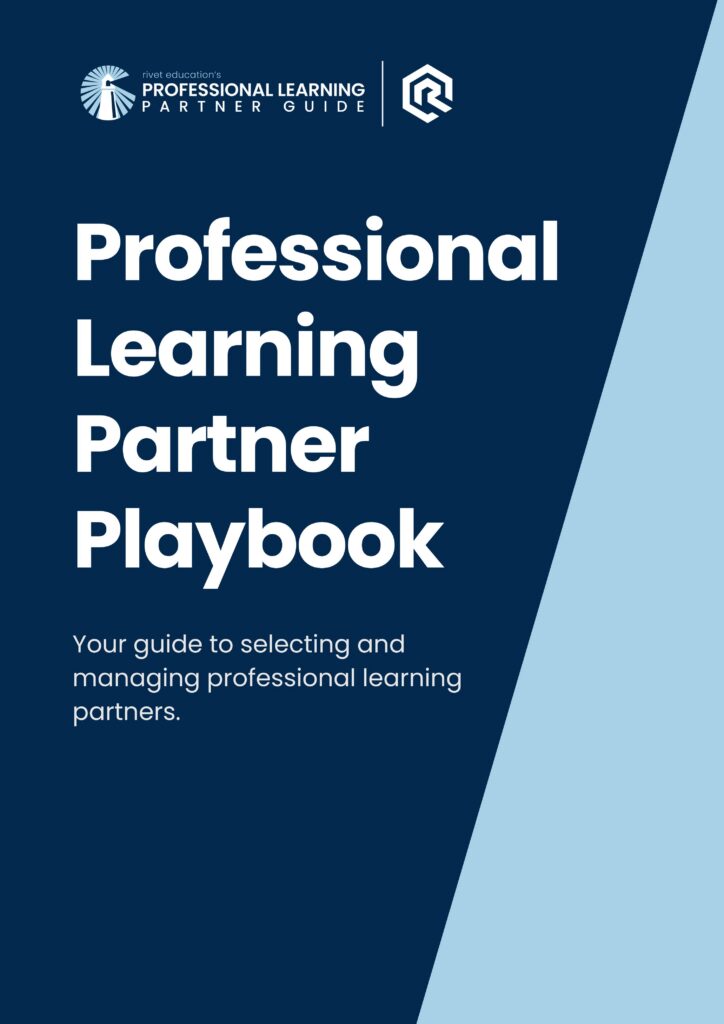
The Professional Learning Partner Playbook is a step-by-step guide to selecting and managing curriculum-based professional learning partners. This comprehensive, three-part resource empowers leaders to form effective partnerships that drive success for both teachers and students.
Adopting and implementing high-quality instructional materials (HQIM) can be a daunting task, and education leaders often benefit from partnering with one or more qualified organizations to help them navigate the complex change-management process. In many cases, identifying and contracting with a qualified organization requires engagement in an RFP process.
Creating high-quality Requests for Proposals (RFPs) for curriculum-based professional learning leads to a more qualified vendor pool, higher-quality bids, and stronger results for teachers and students. With a well-structured RFP, you can make better use of time and resources, ensuring impactful outcomes.